

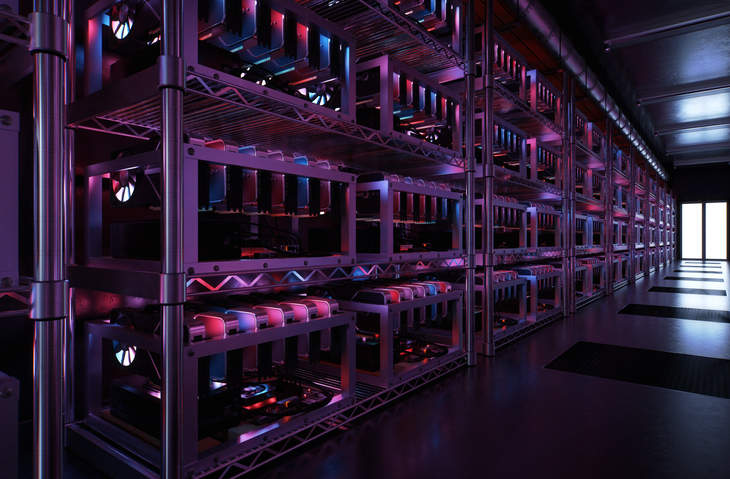
Data centers are specialized facilities that house the infrastructure needed to run an organization’s computers, servers, network equipment, data storage drives, and other hardware essential for processing, storing, and distributing large amounts of data.
Data centers are not new; they arose with the invention of the first general purpose computers. However, in recent years, fueled by the demand for AI, there has been an explosion in data center development.
As AI gets more sophisticated and the appetite for AI services grows, more data centers will be needed. Operating these facilities requires the use of enormous amounts of water and electricity. Much of that electricity is generated by burning fossil fuels like coal and gas, primary drivers of climate change which prolongs our dependence on fossil fuels. Currently, renewable energy sources, such as solar and wind, cannot reliably meet the needs of data centers.
Increased utility rates have been another major point of concern with the rapid expansion of data centers. Data centers increase local electric utility rates by driving up overall energy demand, straining grid capacity, and forcing utilities to invest in costly infrastructure upgrades. The costs associated with these upgrades are ultimately passed on to customers in the form of higher electricity rates.
Despite the challenges posed by the current pace of data center development, there are opportunities to promote more sustainable growth. One approach involves mandating renewable energy integration and ensuring that data centers contribute to building out renewable capacity rather than relying solely on existing resources. Because the infrastructure needed for widespread renewable energy use is not yet fully in place, increased investment in renewable energy generation is another meaningful way for data centers to reduce their carbon footprint.
Mandatory environmental reporting requirements could also help hold data centers accountable. This could be especially impactful as currently, most companies working on AI do not disclose their emissions and some companies, in their efforts to stay competitive and build the best AI systems, have quietly abandoned efforts to maintain carbon neutrality in their operations.
Currently, the demand for data centers is growing faster than our ability to mitigate their environmental and economic consequences. However, things like mandatory reporting and energy audits can increase transparency and educate the public. States can also play a crucial role in safeguarding the public from the negative impacts of data centers by passing legislation that requires investments in renewable energy production, regulates utility rate hikes to prevent costs from being shifted to consumers, and ensures that the energy demands of data centers align with state climate goals.