

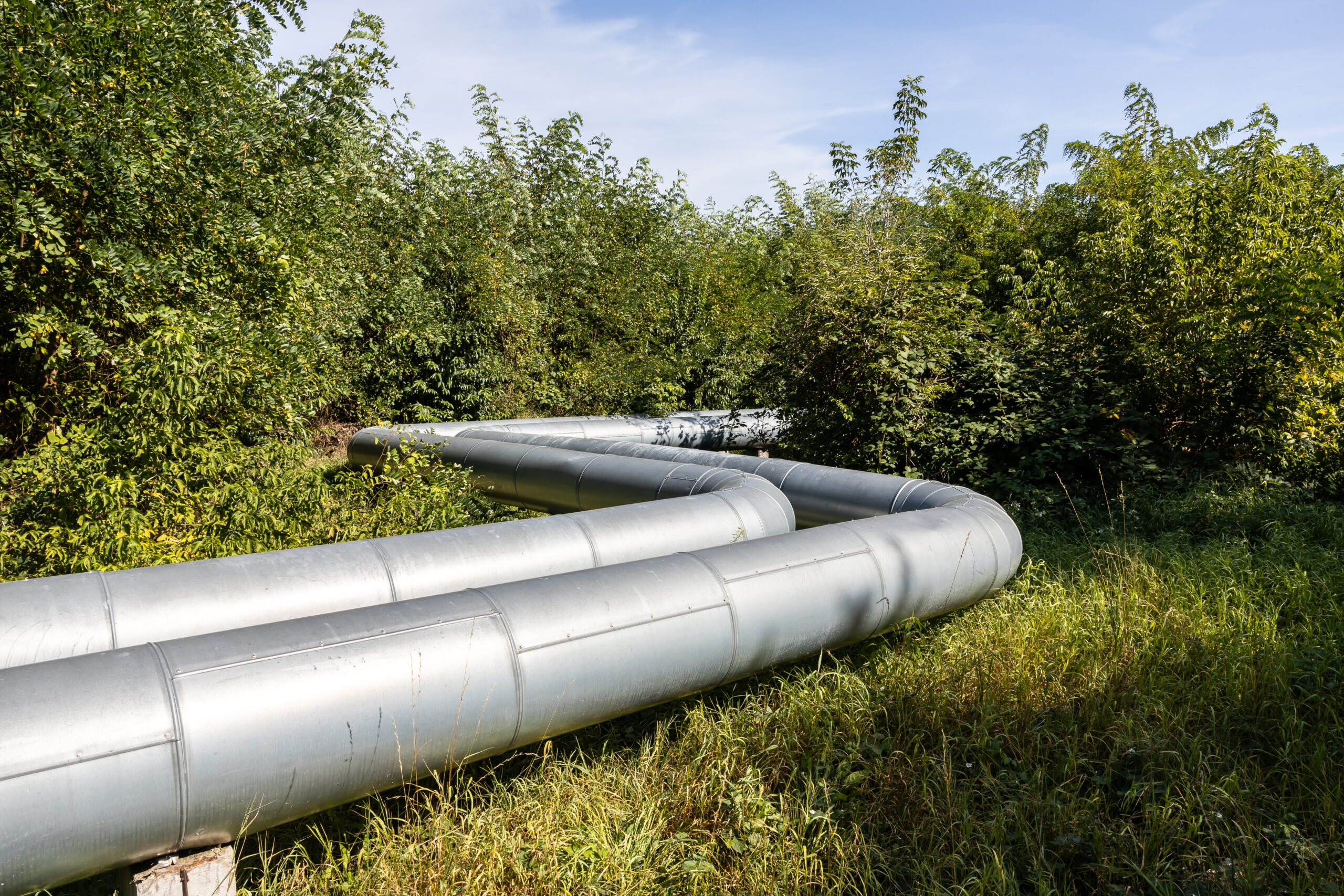
On April 22, the U.S. Supreme Court rejected an appeal seeking to reverse a Sixth Circuit Court of Appeals holding that denied an oil and gas pipeline owner’s efforts to transfer from state court to federal court a lawsuit filed by State of Michigan Attorney General Dana Nessel seeking to shut down a pipeline between the United States and Canada.
The Line 5 Pipeline, which transports oil and natural gas, has been involved in a lengthy legal fight with the State of Michigan concerning the pipeline’s environmental impacts on the state. In its appeal, the pipeline owner asked the Supreme Court to recognize that courts can excuse the 30-day statutory deadline to transfer a case from state to federal court in exceptional circumstances. The Supreme Court unanimously rejected this argument in holding the statutory provisions for federal removal of civil cases do not allow for such an exception.
Justice Sonia Sotomayor authored the decision, which, among other points, reasoned that “allowing equitable tolling of [the federal removal] deadline would undermine Congress’ manifest interest in resolving threshold removal questions” in civil cases “early and conclusively.” Justice Sotomayor’s decision further stressed that: “Under the rule the court adopts today, plaintiffs that sue in state court usually can be confident that, after [the federal removal] deadline has elapsed, the forum question has been put to rest, and the case will proceed in the chosen court.” The opinion added that under the rule advanced by the pipeline owner “the possibility of a late removal would hang over a case, generating uncertainty and risking significant waste of resources in one forum before a possible belated removal to another.”
The history of the case is unique. The pipeline owner filed a notice of removal in the state court case 887 days after receiving the Michigan Attorney General’s complaint, which was more than two years after the lawsuit was originally filed in 2019, following a federal judge’s November 2021 ruling that a parallel lawsuit brought by Michigan Gov. Gretchen Whitmer to revoke the Line 5 Pipeline’s easement belonged in federal court. A federal district court had agreed Line 5 Pipeline could take the case to federal court well after the deadline had passed because of “exceptional circumstances” and equitable considerations but was overruled by the Sixth Circuit Court of Appeals.
The Supreme Court’s decision affirmed the Sixth Circuit’s ruling that the removal attempt was untimely, and the deadline is not subject to equitable tolling.
The National Wildlife Federation Climate and Energy Director Beth Wallace hailed the Supreme Court’s ruling.
“For years, [the Line 5 Pipeline] has deployed an endless series of legal maneuvers aimed at delaying justice by running out the clock at Michigan taxpayers’ expense. This ruling is a resounding rejection of those stall tactics, which have not only cost Michigan time and money, every day that Line 5 is illegally operating, but [are] also needlessly jeopardizing our communities and wildlife.”
While the Supreme Court’s decision is largely based on jurisdictional grounds, its implications may be significant from an environmental standpoint as the substantive legal issues will now be decided by a Michigan State Court.