

State-based consumer protection claims related to microplastics continue to be filed in various jurisdictions, and in a number of those matters, courts have dismissed claims on various grounds.
One recent case involving baby bottles highlights the hurdles faced by plaintiffs.
On March 30, 2026, the U.S. District Court for the Northern District of Illinois issued a decision in Felsenthal v. Medela LLC. In summary, plaintiffs advanced consumer fraud claims tied to allegations about microplastics in plastic products.
In dismissing the claims, the court determined the alleged labeling statements at issue were not misleading as a matter of law and that the complaint failed to plausibly allege damages.
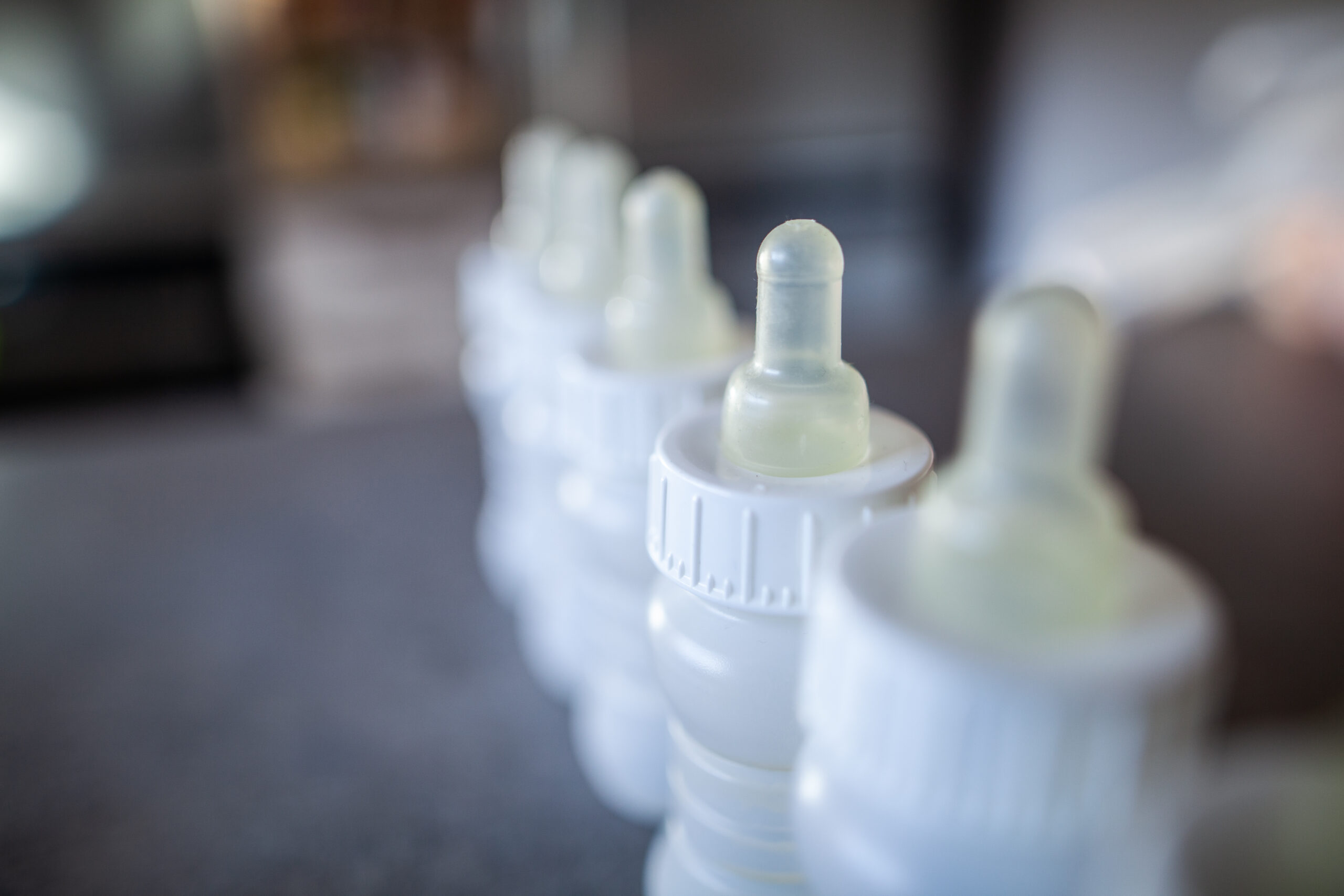
The case arose from the purchase of certain baby bottles labeled “Made Without BPA” and “Dishwasher and Microwave Safe.” The plaintiff alleged the labels somehow misled consumers into believing the bottles do not release purportedly unsafe levels of microplastics when heated. The bottles were allegedly made from polypropylene. The plaintiff claimed that the defendant did not disclose the potential risks.
The basis for the claims was primarily brought pursuant to the Illinois Consumer Fraud and Deceptive Business Practices Act (ICFA), and unjust enrichment.
The defendant filed a motion to dismiss. Because the plaintiff’s claims “sounded in fraud,” the court applied a heightened pleading standard under Federal Rule of Civil Procedure 9(b). The court, however, determined the plaintiff’s complaint satisfied Rule 9(b).
At the same time, however, the court determined there was no plausible claim under ICFA. The court first evaluated the claim under a “reasonable consumer” standard and concluded the labeling, “Made Without BPA” and “Dishwasher and Microwave Safe,” were not deceptive because the statements were true.
Moreover, the court held that no reasonable consumer would interpret the statements at issue as guaranteeing the absence of microplastics and, moreover, it was widely understood that plastic products can generate microplastics, especially when heated.
Next, plaintiffs also failed to allege harm from the microplastics. Here, there was an absence of concrete allegations of harmful effects of microplastics purportedly released from the bottles. The court noted the studies relied upon by the plaintiffs did not establish definitive health risks and, moreover, there were an absence of concrete allegations that microplastics are harmful at the levels allegedly purportedly released by the bottles. To the contrary, the court noted that regulatory materials from the FDA indicated that existing evidence does not show that microplastics in food poses a health risk.
The plaintiff also argued that the defendant’s failure to disclose the presence of microplastics constituted an actionable omission.
The court rejected this argument, finding, among other things, that consumers would not reasonably expect plastic products to be free of microplastics. Additionally, the court determined the plaintiff failed to allege actual damages.
Felsenthal v. Medela LLC is a significant ruling at the intersection of consumer protection laws and emerging issues involving microplastics. The decision also reflects continued judicial scrutiny of such claims and, in this instance, a rejection of claims grounded in speculative potential hazards and strained interpretations of product labeling.