

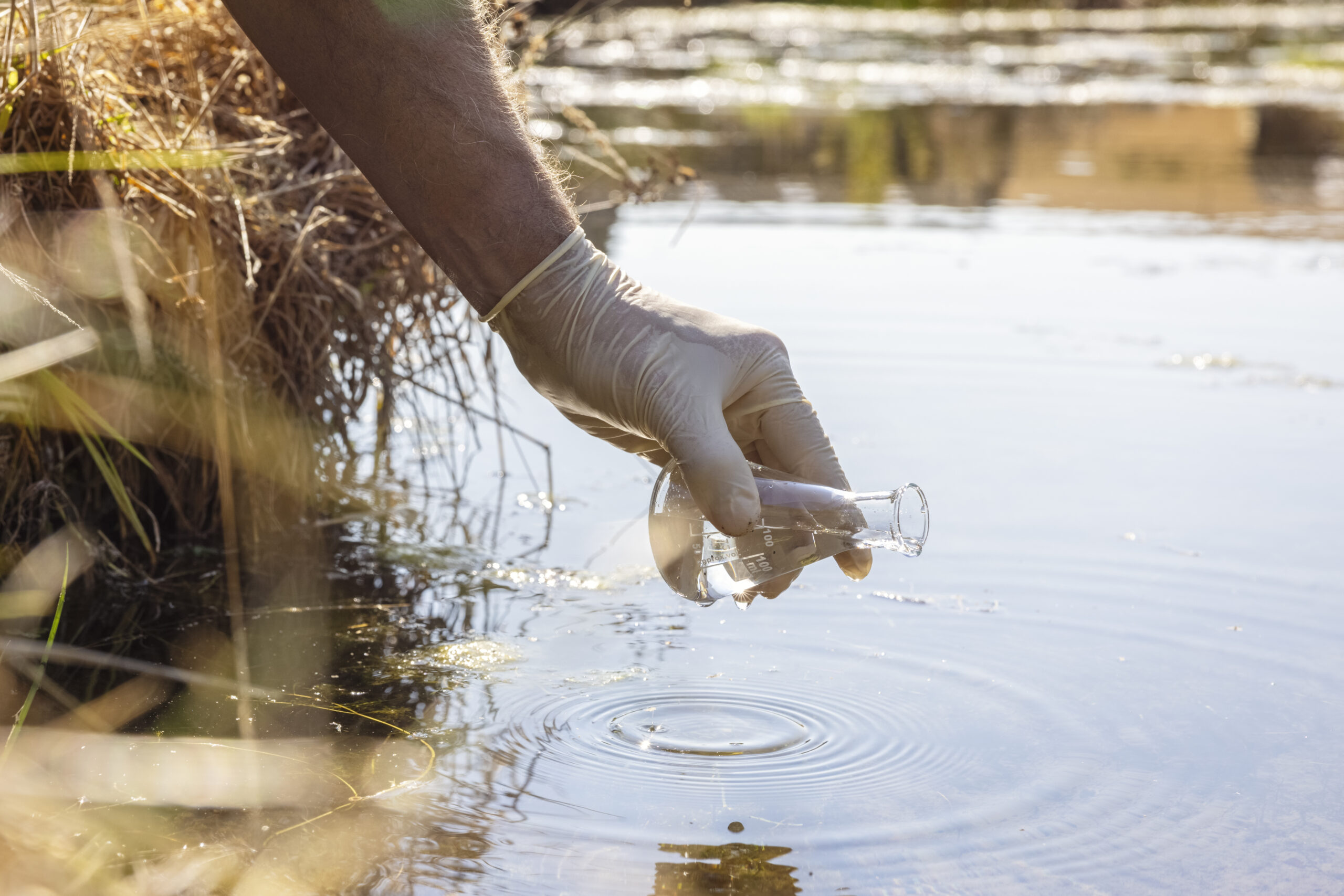
On January 13, 2026, the U.S. Environmental Protection Agency announced a proposed rule to update procedural provisions of Section 401 of the Clean Water Act (CWA), which governs the water quality certification process for federally licensed or permitted projects.
Section 401 of the Clean Water Act requires that before a federal agency can issue a license or permit for any activity that may result in any discharge into “waters of the United States,” that the state or authorized tribe where the release will originate issue a water quality certification or waive certification. Examples of federally permitted or licensed activities under Section 401 include those regarding hydropower dams, oil and gas pipelines, and other major infrastructure changes.
The key proposed changes include the following:
- Limits on analysis: Limiting the scope of a certifying state’s or authorized tribe’s analysis to discharge impacts rather than the impacts of the project as a whole.
- No additional components: Removing the ability of a certifying state or authorized tribe to define additional components for applicants to include in a request for certification.
- Obtain consent for any grant modifications: Including applicants in the process of modifying grants for certification by requiring states to now obtain the agreement of applicants for the exact language of the modification
- 90-day deadline for public hearings and determinations: Imposing a new 90-day deadline for federal agencies to hold a public hearing on, and make a determination regarding, objections by a certifying state or authorized tribe.
- Standardize contents of certification decisions: Adding standardized definitions for the contents of certification authorities.
Proponents of the proposed changes argue that they will streamline the water quality certification process and reduce lengthy certification timelines for energy projects, claiming that this reduced timeline will fast-track infrastructure needed for the ever- expanding demands on energy from A.I. technology.
However, environmental groups contend that these proposed changes will dramatically reduce the authority of states and tribes to review and ultimately deny approval to projects based on their impact to water quality, thereby weakening protections against pollution in waterways. Criticisms also include that these changes could reduce the ability of states and tribes to obtain additional information on proposed projects, frustrating their ability to adequately review possible environmental impacts.
These proposed changes come as the current administration continues its focus on scaling back regulations in the energy sector. Although the exact impact of these changes remains uncertain, there will likely be an increase in proposed projects in the energy sector, particularly oil and gas, uncertainty in how states and tribes should approach shifting deadlines and new content requirements, and a narrower approach by states and tribes seeking to challenge projects under Section 401 CWA certification.
The full text of the rule can be found here. The comment period for the proposed rule ends on February 17, 2026 and comments can be submitted here. For further information regarding Section 401 of the CWA visit the EPA’s resources here. Per the EPA’s website, the rule is expected to become finalized in spring 2026.