

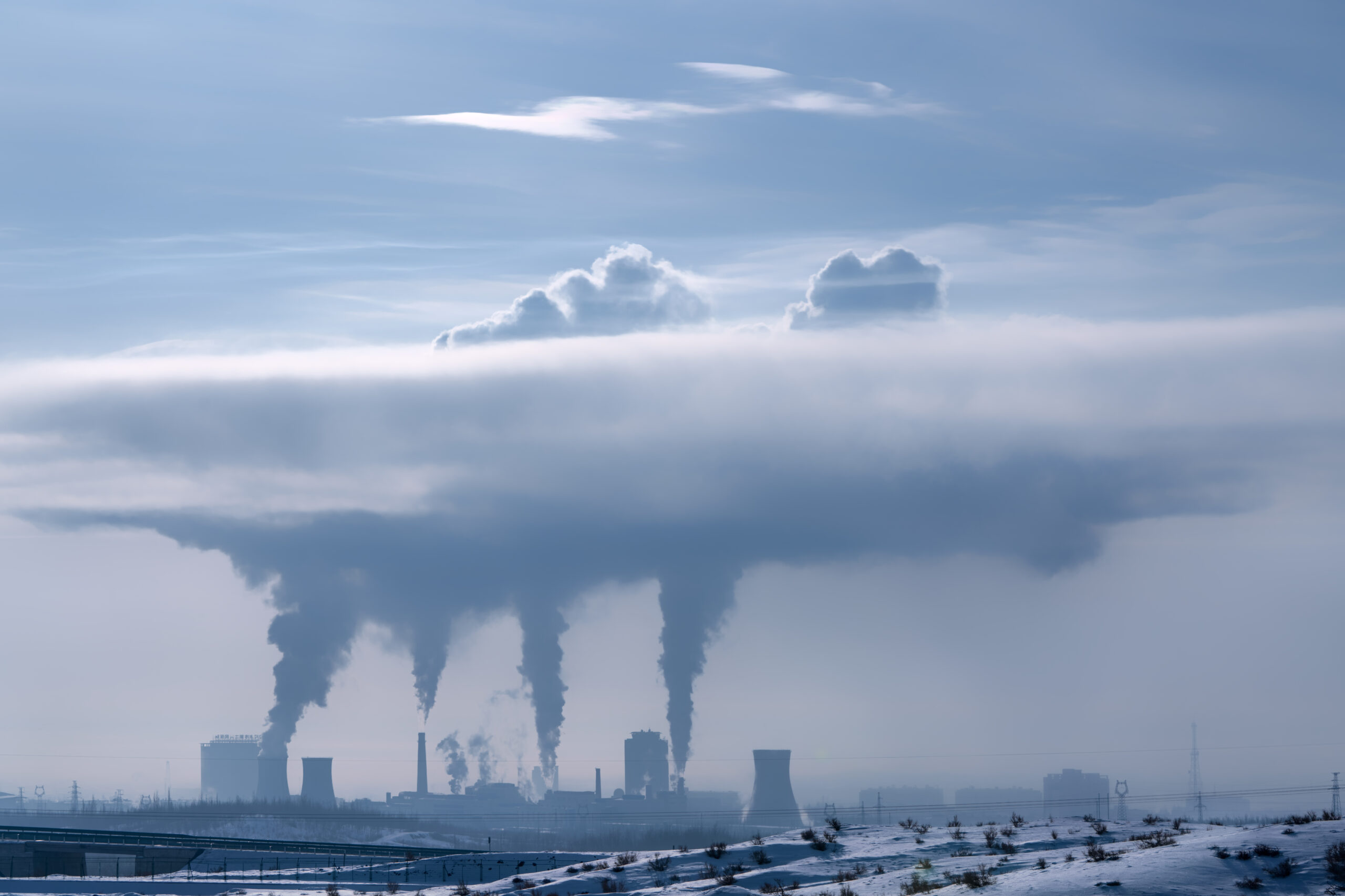
The Environmental Protection Agency has taken measures to roll back the “good neighbor” rule, which limits smokestack emissions affecting downwind areas in neighboring states under the Clean Air Act (CAA).
The rule is intended to address transboundary ozone pollution that can exacerbate health hazards by requiring each state to implement regulations meant to reduce emissions that would restrict “upwind” states from preventing “downward” states from maintaining National Ambient Air Quality Standards (NAAQS).
Several states were previously required to submit plans to the EPA to demonstrate how they would comply with the “good neighbor” rule and reduce emissions that impacted other states. However, under the previous administration, the EPA rejected 21 states’ plans, concluding their proposal did not sufficiently control ozone emissions. The EPA also addressed two states that failed to submit any plan at all. It then subsequently issued a federal plan requiring power plants and other industrial facilities in these 23 states to implement more stringent requirements and controls.
It was this federal intervention by the EPA that became the grounds for legal challenge by several states and other affected private entities. Then, in June of 2024, the Supreme Court ruled the EPA could not enforce the rule (as previously reported by ELM here).
On January 28 of this year, EPA announced its proposal to approve plans by eight states, allowing them to regulate ozone air pollution as they see fit, subject to approval by the federal government. The EPA ultimately found that the state plans had sufficient data to demonstrate that they are not interfering with ozone attainment as required by the NAAQS. The affected states include Alabama, Arizona, Kentucky, Minnesota, Mississippi, Nevada, New Mexico and Tennessee.
Proponents of the EPA’s proposal argue that it promotes “cooperative federalism” by allowing states to decide for themselves how to attain air pollution goals and eliminates the “heavy-handed, one-size-fits-all, federal mandate” to address air pollution from smog-forming ozone. On the other hand, opponents of the proposal assert that it would reward states for being bad neighbors and lets them off the hook when their pollution harms the air quality in neighboring states.
Once the rule is published in the Federal Register, the EPA will accept public comment for at least 30 days. However, more changes to the “good neighbor” rule are also on the horizon. Soon, the EPA will also announce its intent to take a separate action to address “interstate transport” obligations for the remaining states covered in the final, “Good Neighbor Plan,” under the previous administration.