

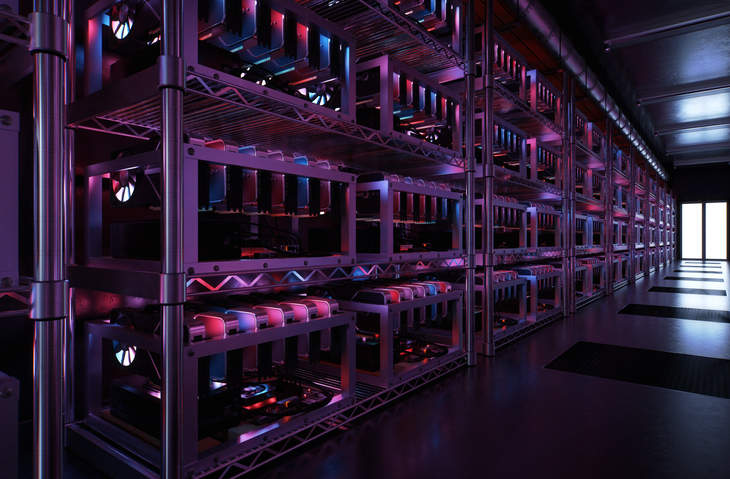
On July 14, New York became the first state to implement a statewide moratorium on building new hyperscale data centers. Gov. Kathy Hochul signed an executive order banning lawmakers from approving environmental permits for the construction of new data centers 50 megawatts or larger for a period that Hochul expects to last one year – or until the state finalizes an environmental review process for data centers.
The executive order further directs state officials to develop a “Generic Environmental Impact Statement” to ensure that new data centers coming online are held to “consistent standards.” According to Hochul, the construction pause will give lawmakers time to create a framework to protect residents and the environment.
The governor’s executive order comes as the state, like many others, faces demand for data center development. In a statement released by Hochul, “[m]assive data centers are being built across our state and our country. The scale and speed of this development has put unprecedented demand on energy and water resources and threatens to drive up utility costs. Before it goes any further, I need safeguards in place to protect New Yorkers.”
Hochul further indicated that in the future, New York will require data centers to either produce their own energy or pay a premium for accessing New York’s grid. The moratorium in New York is, importantly, not a blanket freeze.
The executive order does not apply to projects that have commenced construction; renewals, modifications, or reissuances of existing permits and approvals; or other state, local, or federal approvals.
In neighboring New Jersey, Gov. Mikie Sherrill signed legislation earlier in the month targeting concerns regarding the rising energy costs associated with data centers. One such legislation, the “Data Center Fair Share Act,” creates a separate ratepayer class for data centers to prevent energy costs from being passed down to other utility customers. The bill also requires data centers to pay for the electrical and clean energy infrastructure upgrades they require. Sherrill expressed that the legislation was designed in response to data centers driving 70 percent of new electricity demand on the New Jersey energy grid in 2025.
The recent moves by New York and New Jersey sparked increased debates over how to balance considerations as to the benefits data center construction can bring – such as stimulating local economies and fostering the U.S. tech sector – with concerns over rising electric bills and the potential environmental risk.
While temporary moratoriums have been proposed in at least a dozen other states and on the federal level, New York is the first to implement such a measure. Goldberg Segalla’s Environmental Law Monitor will continue to report on developments regarding data center legislation nationwide.