

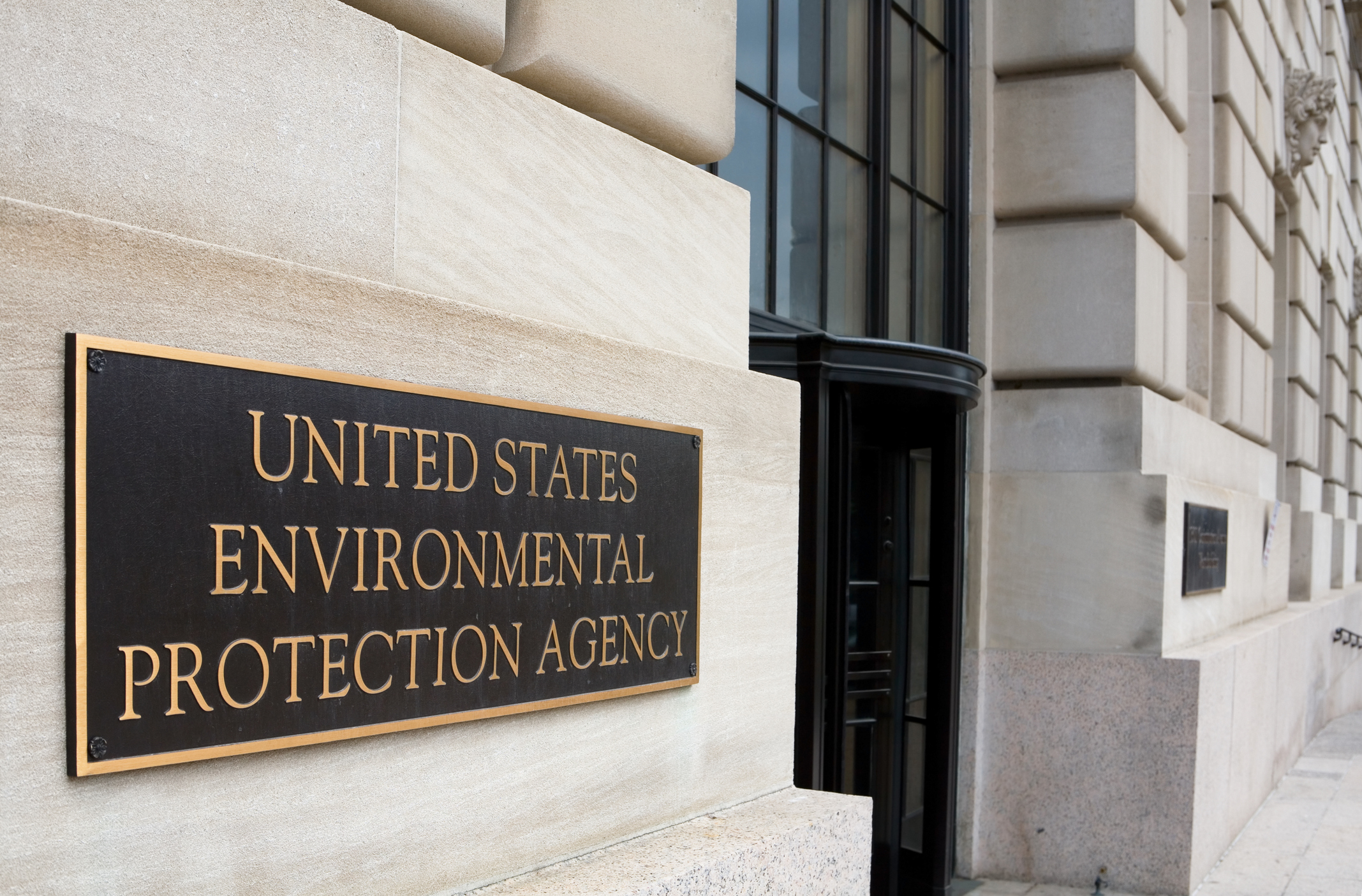
The Mercury and Air Toxics Standards (MATS) are federal air pollution regulations issued by the U.S. Environmental Protection Agency (EPA) under the Clean Air Act. Finalized in 2012 and effective beginning in 2015, MATS establish technology‑based emission limits for hazardous air pollutants (HAPs) emitted by coal‑ and oil‑fired power plants.
In 2024, the EPA finalized amendments to MATS that strengthened and updated the 2012 regulations. The agency adopted a coordinated set of four major measures aimed at further reducing pollution from fossil‑fuel‑fired power plants while maintaining electric reliability and providing regulatory certainty for utilities. These amendments included tighter limits on mercury and hazardous metal emissions, reducing certain emission thresholds by up to 70 percent, and expanded monitoring requirements for coal‑ and oil‑fired electric utility steam‑generating units.
In February 2026, the EPA finalized a repeal of key components of the 2024 MATS amendments. The repeal eliminated three major changes adopted in 2024: the more stringent filterable particulate matter (fPM) emission limit for existing coal‑fired EGUs; the requirement that all EGUs demonstrate fPM compliance exclusively using particulate matter continuous emissions monitoring systems (PM CEMS); and the revised, lower mercury emission standard for lignite‑fired EGUs. As a result, the emission limits and compliance approaches established under the original 2012 MATS rule were restored.
The EPA’s primary justification for the repeal was that the 2024 amendments were not “necessary” under section 112(d)(6) of the Clean Air Act. Following a reevaluation of costs, technical feasibility, and incremental risk reduction, the agency determined that the revised standards imposed disproportionately high compliance costs relative to their anticipated environmental benefits. The EPA concluded that the cost‑effectiveness of the revised fPM standard exceeded historical benchmarks for HAP controls and that the revised mercury standard for lignite‑fired units relied on limited data that did not fully account for fuel variability and differences in boiler design.
In March 2026, a coalition of 20 environmental and public‑health organizations filed a lawsuit challenging the repeal, asserting that it could lead to increased health risks. In a joint press release issued by the Southern Environmental Law Center, which represents the challengers before the D.C. Circuit, the groups stated that the regulatory changes would degrade air quality and increase the risk of asthma in children. The coalition contends that the rollback would permit higher levels of toxic pollution, adversely affecting the health and well‑being of children across the United States.
As a result of the repeal, regulatory requirements applicable to owners and operators of coal‑ and oil‑fired electric utility steam‑generating units have changed. Emission limits and associated compliance obligations under the 2012 MATS rule remain in effect, including controls for mercury, acid gases, non‑mercury HAP metals, and organic HAPs. Facilities that had been preparing to implement measures required by the 2024 amendments (such as particulate matter control upgrades, installation of PM continuous emissions monitoring systems, or enhanced mercury control practices at lignite‑fired units) may now reassess previously planned compliance strategies and capital investments.